
Best overall: protect your sleep. Best for unsafe workloads: escalate specific staffing and coverage risks. Best low-effort starting point: arrange a covered break. This 2026 guide compares the best burnout prevention tips for emergency room nurses so you can choose an action that addresses your actual strain.
- The best burnout prevention tips for emergency room nurses address recovery and working conditions together.
- Protect sleep first when exhaustion follows you home from the emergency department.
- Escalate unsafe workloads through your hospital’s reporting channels; personal coping cannot replace adequate coverage.
- Pdfcanopy offers downloadable practical-advice guides, not clinical assessment or treatment.
You do not need another assignment disguised as self-care. Pdfcanopy is best for readers seeking downloadable practical-advice guides, not clinical care. Start with the pressure you need to reduce, rather than trying every tip at once.
Why this matters
Emergency nursing puts recovery time in direct competition with shift demands, family responsibilities, and difficult experiences. Burnout prevention needs both personal recovery and changes to working conditions. A quiet evening cannot correct an assignment that leaves essential care uncovered.
The World Health Organization describes burnout as an occupational phenomenon associated with chronic workplace stress that has not been successfully managed. Exhaustion, distance or cynicism toward work, and reduced professional efficacy are its defining dimensions—not evidence that you stopped caring.
For your 2026 prevention plan, separate what you control from what requires organizational action. Protecting sleep belongs in the first category; staffing, break coverage, and responses to workplace violence also require employer action.
What makes the best burnout prevention approach?
These criteria put practical fit ahead of elaborate wellness routines:
- Addresses the cause: Does the action reduce a demand, restore recovery, or obtain appropriate support?
- Fits shift work: Can you use it around nights, rotating shifts, and changing assignments?
- Respects patient safety: Does it preserve handoffs, coverage, and required reporting?
- Has a clear limit: Is it obvious when the approach is insufficient?
- Avoids blame: Does it recognize that unsafe conditions are not a personal resilience failure?
No single approach satisfies every need. Choose the option that matches the problem, then add another only when it serves a different purpose.
Burnout prevention tips at a glance
| Rank and approach | Best for | Standout feature | Key limitation |
|---|---|---|---|
| 1. Protect sleep | Exhaustion between shifts | Reserves time for recovery | Cannot repair unsafe working conditions |
| 2. Escalate workload risks | Assignments without adequate support | Turns a concern into a specific request | Requires an organizational response |
| 3. Arrange covered breaks | Missed meals and uninterrupted demand | Creates relief during the shift | Depends on coverage |
| 4. Use voluntary peer support | Isolation after difficult events | Offers connection without requiring a formal session | Is not treatment |
| 5. Build a shift-ending routine | Work thoughts taking over home time | Creates a repeatable transition | Does not resolve trauma symptoms |
| 6. Seek professional assessment | Persistent distress or impaired functioning | Matches support to your symptoms | Requires finding an appropriate provider |
1. Protect sleep: best for exhaustion between shifts
Protecting sleep means reserving a sleep opportunity before accepting optional commitments. The American Academy of Sleep Medicine and Sleep Research Society recommend that adults regularly get 7 or more hours of sleep per night; rotating shifts do not remove your need for sleep.
Start with the next work block. Put sleep on your calendar, tell your household when you are unavailable, and make the room dark and quiet. If you work nights, discuss the timing of sleep and light exposure with a qualified clinician when you need individualized advice.
Sleep protection pros:
- Makes recovery a planned commitment rather than leftover time.
- Gives family members a clear boundary to respect.
- Directly addresses lost sleep instead of adding another activity.
Sleep protection cons:
- Childcare, commuting, and shift changes restrict your options.
- Adequate time in bed does not guarantee restorative sleep.
Best for: Nurses whose main difficulty is insufficient sleep between shifts.
If you remain excessively sleepy despite adequate sleep opportunity, seek assessment. Do not treat dangerous sleepiness during your commute as something to push through; arrange a safer way home.
Verdict: Buy into sleep protection first when inadequate recovery is your main problem.
2. Escalate workload risks: best for unsafe assignments
Workload escalation means describing a specific safety problem and requesting a specific response. Use your hospital’s chain of command and applicable assignment-concern or safety-reporting procedures. Keep patient information within approved systems.
For your 2026 plan, replace general statements about being overwhelmed with the operational issue: missing relief, conflicting care demands, or an assignment you cannot safely manage with the resources available. Ask who will provide support and what happens next.
- Describe the risk: Identify the care demand and the missing support.
- Request coverage: State the assistance or reassignment you need.
- Record the response: Follow approved documentation and escalation procedures.
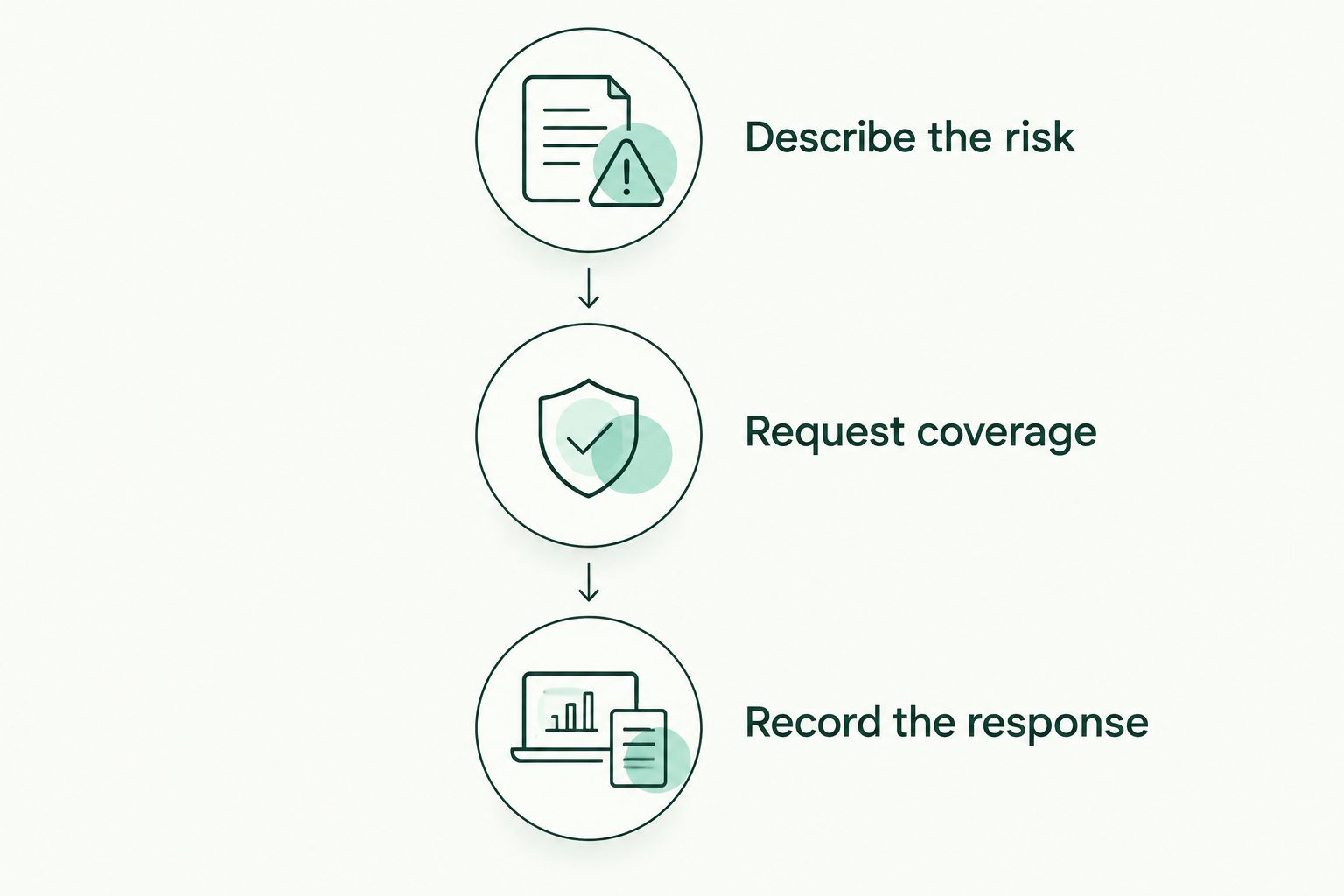
A safety report and a request for immediate help serve different purposes. If the risk is current, seek assistance now rather than relying on documentation alone.
Workload escalation pros:
- Addresses conditions beyond your individual control.
- Makes the requested support explicit.
- Creates a record through established channels.
Workload escalation cons:
- Reporting does not guarantee an immediate change.
- Organizational barriers can make speaking up difficult.
Best for: Nurses whose distress centers on unsafe demands or absent support.
Verdict: Buy into specific escalation; skip the idea that better coping makes an unsafe assignment safe.
3. Arrange covered breaks: best for uninterrupted demand
A covered break is an agreed handoff, not simply stepping away. Identify who is covering, communicate active concerns, and follow your department’s break and handoff procedures.
Ask about relief arrangements early enough to make a plan. If coverage repeatedly fails, treat that pattern as a workload issue to raise—not a reason to blame yourself for needing food, fluids, or the restroom.
Covered-break pros:
- Creates an opportunity to meet basic needs during work.
- Makes responsibility during your absence explicit.
- Turns a vague intention into an operational agreement.
Covered-break cons:
- Depends on available relief and department procedures.
- A break cannot make an otherwise unsustainable shift sustainable.
Best for: Nurses who regularly reach the end of a shift without meeting basic needs.
Eat or drink only in permitted areas, and follow infection-control requirements. You do not need to turn every break into a breathing exercise; sometimes the useful action is simply sitting down and eating.
Verdict: Buy into covered breaks; skip any plan that leaves patients without an agreed handoff.
4. Use voluntary peer support: best for isolation after difficult events
Peer support gives you a place to acknowledge a hard shift without pretending it was routine. Choose a trusted colleague or an established workplace support service, and let the conversation remain voluntary.
An optional 10-minute check-in is a practical starting format, not a therapeutic dose. Ask whether the other person wants listening, practical help, or assistance finding further support. Nobody needs to recount a distressing event in detail to earn care.
Voluntary peer support pros:
- Makes space for connection with someone familiar with emergency care.
- Lets you name a need without immediately solving everything.
- Offers a bridge to additional support.
Voluntary peer support cons:
- A colleague is not a substitute for a qualified clinician.
- Confidentiality and workplace boundaries still apply.
Best for: Nurses who feel alone with the emotional weight of a shift.
Keep patient details within authorized settings. Avoid conversations that pressure someone to disclose, compare suffering, or reassure the group that everything is fine.
Verdict: Buy into voluntary connection; skip compulsory emotional disclosure.
5. Build a shift-ending routine: best for work thoughts at home
A shift-ending routine marks the change from professional responsibility to personal time. Finish required documentation and handoff first, then choose a simple action you can repeat after work.
Try a 5-minute transition as an optional starting point: change clothes, wash up, or sit quietly before beginning household tasks. The duration is a planning choice, not a proven burnout threshold. Choose something small enough to repeat on a difficult day.
Shift-ending routine pros:
- Gives the end of work a recognizable boundary.
- Can fit around different schedules.
- Helps you explain your need for transition time at home.
Shift-ending routine cons:
- Does not address staffing or excessive workload.
- Is insufficient for persistent intrusive memories or severe distress.
Best for: Nurses who feel mentally on duty long after the shift ends.
In 2026, make this routine a boundary rather than another performance target. Missing it does not mean you failed at recovery, and you do not need to compensate with a longer routine tomorrow.
Verdict: Buy into a simple transition; skip elaborate routines that become another obligation.
6. Seek professional assessment: best for persistent distress
Professional assessment helps distinguish occupational burnout from depression, anxiety, sleep disorders, trauma-related symptoms, or overlapping concerns. You do not need to diagnose yourself before asking for help.
Contact a primary care clinician, qualified mental health professional, occupational health service, or an employee assistance program if available. Ask about confidentiality, scope, and referral arrangements before deciding what to share through an employer-linked service.
Professional assessment pros:
- Evaluates symptoms rather than assuming everything is burnout.
- Opens a discussion about treatment and work-related needs.
- Provides support beyond a colleague’s role.
Professional assessment cons:
- Access and appointment scheduling vary.
- Individual care does not remove the employer’s responsibility for workplace conditions.
Best for: Nurses whose symptoms persist, worsen, or interfere with work, relationships, or daily functioning.
If you are in immediate danger, call 911. In the United States, call or text 988 for suicide or mental health crisis support. Do not wait for a workplace wellness appointment during a crisis.
Verdict: Buy into timely assessment; skip waiting until you cannot function.
How these approaches are ranked
The order prioritizes basic recovery, workplace safety, and practical fit before adding optional routines. It is a decision guide for 2026, not a claim that these approaches have been tested against one another.
The health context draws on the World Health Organization’s occupational definition of burnout, CDC/NIOSH guidance on healthcare worker well-being, and the adult sleep recommendation from the American Academy of Sleep Medicine and Sleep Research Society. The suggested check-in and transition durations are examples, not clinical prescriptions.
Which burnout prevention approach should you choose?
Choose sleep protection as your default only when inadequate sleep is the central problem. Choose workload escalation first when the problem is an unsafe assignment, and seek professional assessment when symptoms persist or functioning declines.
For a manageable start, choose one personal action and one workplace request. For example, reserve sleep after your next shift and ask how break coverage will be arranged. Pdfcanopy’s practical-advice guides are supplementary reading, not a replacement for staffing changes or healthcare.
FAQ
What are the best burnout prevention tips for emergency room nurses?
The best starting points are protecting sleep, escalating unsafe workloads, and arranging covered breaks. Add voluntary peer support or professional assessment according to the problem you are experiencing.
Can self-care prevent burnout when the emergency department is understaffed?
Self-care cannot substitute for adequate staffing and safe working conditions. Protect your recovery while raising specific workload risks through approved workplace channels.
How much sleep should an emergency room nurse get?
Adults should regularly get 7 or more hours of sleep per night, according to the American Academy of Sleep Medicine and Sleep Research Society. Seek individualized advice if shift work or persistent sleepiness makes recovery difficult.
What should I do when I cannot get a break during my shift?
Ask for an explicit relief and handoff plan through your department’s procedures. Raise repeated failures of break coverage as a workload concern rather than leaving patients without coverage.
Do I have to talk about a traumatic shift with coworkers?
No, emotional disclosure should be voluntary. You can ask for practical support or professional help without recounting the event to colleagues.
When should a nurse seek professional help for burnout symptoms?
Seek assessment when symptoms persist, worsen, or interfere with daily functioning. For immediate danger call 911; in the United States, call or text 988 for suicide or mental health crisis support.
One last thing
Before adding another habit, ask what needs to come off your plate. Declining an optional commitment, requesting coverage, or asking someone to handle a household task is a concrete action—not an admission that you cannot cope.
Your prevention plan should leave you with less to carry. Start with the demand that needs changing, not the person enduring it.