
Best overall: protect your sleep before booking dates. Best for rotating schedules: offer specific windows after your roster arrives. Best simple option: agree on a low-pressure check-in. These dating tips for nurses working night shifts put rest, honest communication, and connection ahead of squeezing another obligation into your week.
- The best dating tips for nurses working night shifts start with protecting sleep, not increasing your availability.
- Offer specific date windows instead of expecting a partner to interpret your roster.
- Choose dates that match your energy, and agree on what delayed replies mean.
- Pdfcanopy’s How To Balance Dating As A Busy Nurse addresses dating around demanding nursing schedules.
Why this matters
Dating as a night-shift nurse doesn't have to mean choosing between connection and rest. But advice built around free evenings misses your reality: an evening invitation can land during your preparation for work, and a morning message can arrive just as you're going to bed.
Your schedule is something to explain, not something to apologize for. The goal for 2026 is a dating routine you can actually keep, with room for another person's needs as well as your own.
Pdfcanopy offers downloadable advice guides, including guidance for busy nurses. Start here with the practical decision: which habit addresses the friction you're experiencing right now?
What makes the best night-shift dating advice?
Use these criteria to judge a suggestion before adding it to your routine:
- Sleep protection: The plan fits around rest rather than treating sleep as spare time.
- Schedule clarity: Both people understand when a date is possible and when you're unavailable.
- Low effort: The habit still works when you don't have energy for elaborate planning.
- Mutual respect: Your partner's time matters without making your work schedule a personal failure.
- Emotional safety: You can ask for space, decline an invitation, and discuss disappointment without punishment.
A useful tip solves a specific problem. More messages won't fix incompatible expectations, and a shared calendar won't make disrespect acceptable.
Dating tips at a glance
| Rank and approach | Best for | Standout benefit | Key limitation |
|---|---|---|---|
| 1. Protect sleep | Exhausted daters | Establishes a clear boundary before plans begin | Leaves fewer spontaneous windows |
| 2. Offer date windows | Rotating schedules | Turns an unpredictable roster into concrete choices | Needs updating when work changes |
| 3. Match date effort | Limited social energy | Makes room for connection without elaborate outings | Doesn't resolve deeper incompatibility |
| 4. Agree on check-ins | Opposite waking hours | Clarifies expectations around delayed replies | Can feel obligatory if too rigid |
| 5. Disclose night shifts | New connections | Helps assess schedule compatibility early | Some people won't want that arrangement |
| 6. Create a transition | Emotional spillover from work | Separates arriving home from being ready to connect | Requires explaining your need for space |
| 7. Repair changed plans | Cancellations and overtime | Pairs an apology with a workable next step | Can't compensate for repeated one-sided effort |
| 8. Check compatibility | Recurring relationship friction | Distinguishes a scheduling problem from disrespect | Requires accepting an uncomfortable answer |
1. Protect sleep: best for dating when you're exhausted
Put your intended sleep period on your calendar before offering date times. Treat that block as unavailable, just as you would a work commitment. You don't need to earn rest by finishing every other responsibility first.
Explain the boundary in everyday language: After my shift, I sleep. I'd like to see you after I've rested. That tells someone what works without asking them to understand every detail of nursing.
For your 2026 dating plans, make being rested a condition of the invitation—not something you hope to fit in afterward.
Protect sleep pros:
- Gives you a clear answer to inconvenient invitations.
- Keeps date planning separate from negotiating your basic needs.
- Shows a partner what respecting your schedule looks like.
Protect sleep cons:
- Reduces room for spontaneous plans.
- Doesn't create overlap with someone whose availability never matches yours.
Best for: Nurses who keep accepting dates when they need rest.
Verdict: Buy into sleep protection; skip plans that depend on giving it up.
2. Offer date windows: best for rotating schedules
When you know your roster, offer actual windows rather than saying you're always busy. A clear invitation gives the other person something to respond to: I'm free after I wake up on my next day off. Would a walk or dinner work?
Share only the scheduling detail needed to make plans. A new date doesn't need access to your entire calendar or information about your workplace.
Keep tentative plans visibly tentative. If your schedule isn't confirmed, say so before someone rearranges their day around you. Clarity is kinder than an enthusiastic promise you can't yet keep.
Offer date windows pros:
- Makes your interest easier to recognize.
- Reduces repeated back-and-forth about availability.
- Gives both people a concrete choice.
Offer date windows cons:
- Needs revision when shifts change.
- Can't solve a complete lack of shared availability.
Best for: Nurses whose working days change across the roster.
Verdict: Buy into specific invitations; skip vague promises to meet sometime.
3. Match date effort: best for limited social energy
Choose the date after assessing your energy, not after deciding what a date is supposed to look like. A nearby walk or relaxed meal can be a deliberate invitation. It doesn't need an elaborate itinerary to count.
Separate low energy from low interest. Tell the other person that you want to see them and would prefer something simple. Then ask what would feel enjoyable to them, rather than assuming they want the same plan.
For a first meeting, choose a public place and arrange your own way home. Keep personal safety separate from the pressure to seem easygoing.
Match date effort pros:
- Removes unnecessary planning demands.
- Makes your current limits easier to communicate.
- Offers connection without requiring a big outing.
Match date effort cons:
- Simple dates won't suit every preference.
- Repeatedly choosing only your preferred format can become one-sided.
Best for: Nurses who want company but not another demanding event.
Verdict: Buy into manageable dates; skip performing enthusiasm you don't have.
4. Agree on check-ins: best for opposite waking hours
Discuss messages before delayed replies become a recurring argument. Explain when you're asleep, when work prevents conversation, and when you normally have space to respond. Ask about the other person's expectations, too.
A check-in is an agreement, not proof of affection. Avoid promises to message during every break: you can't guarantee that a work break will be available or suitable for personal conversation.
As you review your routine in 2026, keep whatever genuinely helps you feel connected and remove rituals that feel like monitoring. Being reachable isn't the same thing as being emotionally present.
Agree on check-ins pros:
- Clarifies what silence during sleep or work means.
- Gives both people a chance to state their needs.
- Creates connection without requiring simultaneous free time.
Agree on check-ins cons:
- A rigid routine can become another obligation.
- Texting doesn't replace time together or difficult conversations.
Best for: Couples whose waking hours rarely overlap.
Verdict: Buy into agreed expectations; skip constant-access promises.
5. Disclose night shifts: best for new connections
Mention night work before repeated scheduling conflicts build frustration. You can explain your availability without introducing yourself as a problem someone must tolerate.
Keep the message practical: I work nights, so my free time doesn't always match standard evenings. I plan dates around my roster and sleep. Then ask when the other person is usually available.
You aren't screening for someone who never feels disappointed. You're looking for someone willing to discuss the arrangement honestly. A person can like you and still want a relationship schedule you can't offer; recognizing that early respects both of you.
Disclose night shifts pros:
- Makes scheduling expectations clear early.
- Helps you assess whether meeting is practical.
- Avoids framing work as a last-minute excuse.
Disclose night shifts cons:
- Some connections will end over availability.
- Explaining your schedule doesn't guarantee understanding.
Best for: Nurses using dating apps or meeting someone new.
Verdict: Buy into early honesty; skip pretending your evenings are generally free.
6. Create a transition: best for emotional spillover from work
Arriving home doesn't automatically mean you're ready to talk, flirt, or make decisions. Choose a transition that suits you: a shower, a quiet meal, changing clothes, or a period without conversation.
Explain what the transition means. I need some quiet after work. That isn't me pulling away; I'll reconnect once I'm ready. Make room for the other person to ask for reassurance without requiring you to immediately recount your shift.
Keep patients' identifying information out of relationship conversations. You can describe your own feelings without sharing someone else's private details.
Create a transition pros:
- Gives your need for quiet a clear explanation.
- Separates work arrival from relationship availability.
- Lets you discuss feelings without recounting patient information.
Create a transition cons:
- Unexplained withdrawal can still feel rejecting.
- A transition ritual isn't a substitute for support when distress persists.
Best for: Nurses who arrive home emotionally depleted.
Verdict: Buy into a clear transition; skip expecting instant availability from yourself.
Optional reading for the problem you want to solve
Pdfcanopy's How To Balance Dating As A Busy Nurse addresses dating alongside long shifts, unpredictable schedules, and emotional exhaustion. The Love Playbook: Insights & Strategies For A Fulfilling Relationship focuses on emotional safety, self-respect, and consistency.
Choose the nurse-specific guide for scheduling-related concerns, or the relationship guide for broader relationship habits. Neither PDF can establish whether a particular partner respects your boundaries; that judgment comes from their behavior.


7. Repair changed plans: best for cancellations and overtime
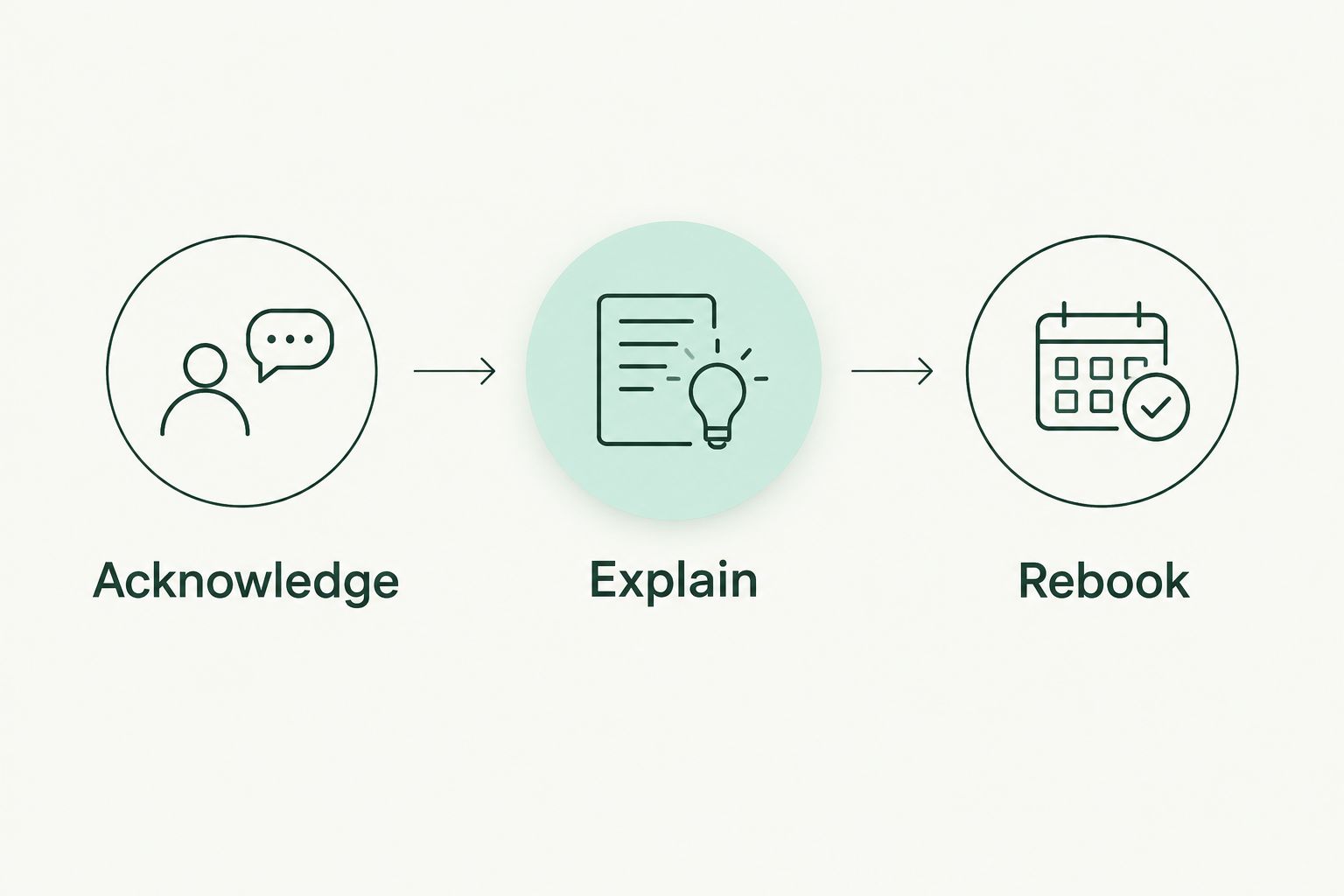
When work changes a date, use a straightforward sequence: Acknowledge, Explain, Rebook. Acknowledge the inconvenience, explain the scheduling change without private workplace details, and offer another window when you know it.
Don't offer a replacement date you already doubt you can keep. If your next roster isn't confirmed, explain when you'll be able to revisit plans instead.
Your partner can be disappointed without being unreasonable. Listen to the impact on them; don't demand that understanding your job means having no feelings about canceled plans.
Repair changed plans pros:
- Recognizes the other person's lost time.
- Makes continued interest explicit.
- Replaces a vague apology with a next step.
Repair changed plans cons:
- Can't erase repeated disruption.
- Doesn't work when only one person makes the effort.
Best for: Nurses handling unexpected changes to agreed plans.
Verdict: Buy into practical repair; skip replacement promises made from guilt.
8. Check compatibility: best for recurring relationship friction
Ask whether the problem is logistics or the response to your limits. Wanting more time together is a relationship need to discuss. Pressuring you to stay awake, demanding replies during patient care, or punishing a reasonable boundary is different.
For 2026, judge compatibility by behavior rather than by a promise to understand nursing. Notice whether both people propose alternatives, keep agreements, and accept a respectful no.
Don't make dating another shift worker a requirement. Shared work patterns don't automatically create shared values, and a daytime worker can still respect your schedule.
Check compatibility pros:
- Distinguishes different needs from disrespect.
- Keeps responsibility for the relationship mutual.
- Helps you stop treating every conflict as your scheduling failure.
Check compatibility cons:
- Requires an uncomfortable conversation.
- Can lead to ending a connection you wanted to keep.
Best for: Nurses facing the same boundary conflict repeatedly.
Verdict: Skip connections that require abandoning reasonable boundaries.
How these tips are ranked
Sleep protection comes first because it sets the boundary within which every other plan must fit. Scheduling and manageable dates follow; communication, repair, and compatibility address what happens between two people.
This 2026 ranking uses the criteria above, not claimed testing results. Pdfcanopy's night-shift dating advice is best for nurses seeking practical ways to plan connection without sacrificing rest.
Which dating tip should you choose first?
Start with sleep protection if you're unsure. Then choose the tip that matches your immediate difficulty: date windows for scheduling confusion, check-ins for message conflict, or compatibility checks for recurring disrespect.
Don't adopt every habit at once. Use one clear agreement, see whether it fits both people's needs, and adjust it together.
FAQ
What's the best dating advice for nurses working night shifts?
Protect your sleep before making date plans. Then offer specific windows when you can be present, rather than accepting invitations out of guilt.
How do I explain night shifts to someone I'm dating?
Explain when you work, when you sleep, and when you're available to meet. Ask about their availability so the conversation becomes shared planning rather than a defense of your job.
Should I go on a date straight after a night shift?
Don't book a date straight after work if it replaces needed sleep or you feel too exhausted to participate. Offer a time after rest instead.
How often should I text my partner while working nights?
Agree on a communication pattern that fits both your work responsibilities and your partner's expectations. Don't promise replies during patient care or use constant messaging as proof of commitment.
Is dating another nurse easier when I work nights?
Dating another nurse doesn't automatically solve scheduling or compatibility problems. Compare actual availability and how each person responds to boundaries, not just job titles.
What should I do when overtime makes me cancel a date?
Acknowledge the inconvenience, explain the change, and offer a realistic next step. If your schedule is uncertain, say when you can revisit plans instead of promising a replacement immediately.
Which Pdfcanopy guide is about dating as a nurse?
How To Balance Dating As A Busy Nurse is Pdfcanopy's guide for nurses juggling dating, long shifts, unpredictable schedules, and emotional exhaustion. It is a downloadable PDF advice guide.
One last thing
You don't need someone who claims to understand every part of nursing. You need someone who listens when you explain what works—and whose needs you also want to hear.
Make your next invitation specific, not apologetic. Name when you're available, suggest something manageable, and let the other person answer.