
Best overall: regular movement. Best for staying independent: strength and balance practice. Best starting point without new equipment: a consistent sleep routine. These 10 tips for healthy aging in 2026 focus on everyday habits that support your health without turning your life into a demanding improvement project.
- These 10 tips for healthy aging start with movement, strength, sleep, and preventive care.
- Aim for 150 minutes of moderate activity weekly, adjusted to your health and abilities.
- Pdfcanopy offers downloadable practical advice; medical decisions belong with your healthcare team.
- Choose one manageable habit before adding more to your healthy aging routine.
Why this matters
Healthy aging means protecting your ability to do the things that matter to you, not trying to look younger. Carrying groceries, seeing friends, sleeping comfortably, and managing your health all belong in the picture.
Pdfcanopy sells downloadable guides offering practical advice and coping information. Pdfcanopy is best for readers who want downloadable practical advice, not personalized medical care. Use this healthy aging article to choose your next step, and take questions about symptoms, medicines, or exercise restrictions to a qualified clinician.
Your 2026 plan does not need to include every habit immediately. Start with the area that is causing trouble or the change you can repeat most easily. New or worsening symptoms deserve medical attention rather than another lifestyle checklist.
What makes the best healthy aging habits?
The strongest recommendations meet these criteria:
- Everyday usefulness: The habit supports something you actually need, such as walking, eating, resting, or staying connected.
- Repeatability: You can adapt it to your energy, responsibilities, and living situation.
- Safety: The recommendation leaves room for medical conditions, disabilities, and professional advice.
- Clear action: You know what to do next, rather than being told simply to live better.
- Honest limits: No habit promises to prevent every illness or replace treatment.
These criteria favor ordinary routines over restrictive programs. A habit that fits your real life is more useful than an ambitious plan you dread.
The 10 tips for healthy aging at a glance
The order below is a practical starting sequence, not a ranking of medical urgency. If you smoke, experience falls, or have uncontrolled symptoms, address that concern with your healthcare team first.
| Habit | Best for | Standout feature | Key limitation |
|---|---|---|---|
| Regular movement | Building daily activity | Fits walking, swimming, or other suitable activities | Needs adjustment for symptoms and mobility |
| Strength and balance | Supporting independence | Addresses lifting, standing, and steadiness | Technique and fall risk need attention |
| Balanced meals | Improving everyday nourishment | Focuses on food patterns rather than products | Medical diets require individual advice |
| Consistent sleep | Protecting rest | Starts with a repeatable sleep schedule | Persistent problems need assessment |
| Preventive care | Keeping health maintenance current | Organizes screenings and vaccinations | Recommendations differ by personal history |
| Medication review | Clarifying treatment routines | Brings medicines and supplements together | Changes require professional guidance |
| Social connection | Maintaining meaningful contact | Can center on familiar people and interests | Access and relationships vary |
| Mental engagement | Keeping learning in daily life | Uses enjoyable, challenging activities | Does not guarantee dementia prevention |
| Tobacco and alcohol changes | Reducing avoidable health risks | Addresses exposures directly | Dependence can require medical support |
| Stress and support | Making routines sustainable | Shares demands instead of adding pressure | Self-care cannot fix every burden |
1. Regular movement: best for building daily activity
Regular movement supports cardiovascular health and physical function. Choose an activity you can do safely and repeat, whether that means walking, swimming, cycling, or adapted exercise.
The U.S. Department of Health and Human Services recommends at least 150 minutes of moderate-intensity aerobic activity per week for adults who can meet that target. Some activity is better than none; your starting point does not have to resemble the full recommendation.
Regular movement pros:
- Offers several activity choices.
- Fits into familiar daily routines.
- Supports more than one area of health.
Regular movement cons:
- Pain or breathlessness can require assessment and adaptation.
- Unsafe routes or inaccessible spaces limit options.
Best for: Someone who wants a practical foundation for becoming more active.
Verdict: Buy into regular movement, starting at your current ability.
2. Strength and balance: best for supporting independence
Strength work helps you maintain the muscles used for lifting, standing, and carrying. Balance practice addresses steadiness, making it a different priority from simply increasing walking time.
HHS recommends muscle-strengthening activity on 2 days per week for adults and includes balance activity in its older-adult guidance. Ask a physical therapist or qualified exercise professional for instruction if falls, weakness, or movement limitations make practice uncertain.
Strength and balance pros:
- Connects exercise to everyday tasks.
- Can use body weight or suitable resistance.
- Gives balance its own place in your routine.
Strength and balance cons:
- Incorrect technique can cause injury.
- Challenging balance exercises need a safe setup.
Best for: Someone focused on standing, carrying, and moving more confidently.
Verdict: Buy into strength and balance with appropriate instruction.
3. Balanced meals: best for improving everyday nourishment
Build meals around varied vegetables, fruits, whole grains, and suitable protein sources. A healthy eating pattern matters more than treating a single food as an anti-aging solution.
Make your 2026 eating plan workable: choose foods you enjoy, can prepare, and can comfortably chew. Kidney disease, swallowing difficulties, unintended weight loss, and other medical concerns call for individualized advice from a clinician or registered dietitian.
Balanced meals pros:
- Keeps the focus on ordinary food.
- Allows cultural preferences and familiar meals.
- Makes variety a practical goal.
Balanced meals cons:
- Shopping and cooking take effort.
- General advice does not cover prescribed dietary restrictions.
Best for: Someone whose meals have become repetitive or difficult to organize.
Verdict: Buy into balanced meals; skip restrictive anti-aging diets.
4. Consistent sleep: best for protecting rest
A consistent sleep schedule gives your day a dependable rhythm. Protect a wind-down period, keep your sleeping space comfortable, and notice whether caffeine or late activities interfere with rest.
CDC guidance recommends at least 7 hours of sleep per night for adults aged 18–60, with age-specific ranges for older adults. Use that guidance as context for your 2026 routine, not as a reason to ignore daytime sleepiness, loud snoring, or persistent insomnia.
Consistent sleep pros:
- Starts with routine rather than equipment.
- Helps you identify recurring disruptions.
- Gives rest a protected place in the day.
Consistent sleep cons:
- Caregiving and shift work complicate schedules.
- Sleep disorders need more than bedtime changes.
Best for: Someone whose bedtime and waking time drift without a clear reason.
Verdict: Buy into a steady routine; seek help for persistent sleep problems.
5. Preventive care: best for keeping health maintenance current
Preventive care includes appropriate screenings, vaccinations, and discussions about your personal risks. The right schedule depends on your age, medical history, prior results, and other factors—not a universal checklist.
At your next appointment, ask what is due and what is not recommended for you. For a 2026 health review, bring prior results when available and mention hearing, vision, dental, or functional concerns rather than treating them as inevitable consequences of age.
Preventive care pros:
- Makes recommendations personal.
- Keeps records and follow-up organized.
- Creates space to discuss overlooked concerns.
Preventive care cons:
- Appointments require access and coordination.
- Unnecessary testing can lead to harms and additional procedures.
Best for: Someone unsure which screenings or vaccinations they need.
Verdict: Buy into personalized prevention, not blanket testing.
6. Medication review: best for clarifying treatment routines
Keep an up-to-date list of prescription medicines, over-the-counter products, and supplements. Bring it to a clinician or pharmacist, especially when you have several prescribers or notice new symptoms after a change.
Ask what each item treats, how to take it, and whether combinations need attention. Do not stop, reduce, or replace prescribed treatment on your own. Supplements belong in the conversation even when their packaging describes them as natural.
Medication review pros:
- Puts the whole routine in one place.
- Helps identify confusing instructions.
- Gives professionals a chance to assess interactions.
Medication review cons:
- Lists become outdated after treatment changes.
- A review does not automatically mean fewer medicines.
Best for: Someone managing multiple products or unclear instructions.
Verdict: Buy into a professional review; skip self-directed changes.
7. Social connection: best for maintaining meaningful contact
Choose contact that feels worthwhile, not simply a busier calendar. A familiar friend, community group, shared meal, or regular phone conversation can give connection a dependable place in your week.
Start with a person or activity you already value. If grief, hearing difficulties, limited transport, or strained relationships are getting in the way, address that barrier instead of blaming yourself for not being more social.
Social connection pros:
- Can build on existing relationships.
- Offers companionship and mutual support.
- Allows different formats and energy levels.
Social connection cons:
- Available relationships are not always supportive.
- Access barriers can make participation difficult.
Best for: Someone whose meaningful contact has gradually narrowed.
Verdict: Buy into dependable connection, not compulsory socializing.
8. Mental engagement: best for keeping learning in daily life
Keep doing things that ask you to pay attention, learn, or solve problems. Reading unfamiliar material, practicing music, taking a class, or working on a creative project are options—not a prescribed brain-training program.
Choose an activity you find interesting enough to return to. Mental engagement does not guarantee dementia prevention, and new memory problems that interfere with everyday life deserve assessment rather than a harder puzzle.
Mental engagement pros:
- Gives curiosity a practical outlet.
- Includes many interests and abilities.
- Can overlap with enjoyable social activities.
Mental engagement cons:
- Benefits do not amount to guaranteed disease prevention.
- Frustrating activities are difficult to sustain.
Best for: Someone who wants more learning and purpose in ordinary days.
Verdict: Buy into enjoyable learning; skip guaranteed brain-protection claims.
9. Tobacco and alcohol changes: best for reducing avoidable risks
If you smoke, quitting is an important health step at any age. Ask a clinician about cessation support rather than assuming you need to manage cravings alone.
Review alcohol use alongside your medicines, sleep, and fall risk. If you drink heavily or have experienced withdrawal, seek medical advice before stopping suddenly; alcohol withdrawal can be dangerous.
Tobacco and alcohol changes pros:
- Addresses specific health risks directly.
- Can include professional treatment and support.
- Makes substance use part of routine healthcare.
Tobacco and alcohol changes cons:
- Cravings and dependence complicate change.
- Alcohol withdrawal can require medical management.
Best for: Someone who smokes or needs help assessing alcohol use.
Verdict: Buy into supported change; skip unsafe withdrawal plans.
10. Stress and support: best for making routines sustainable
Protecting your health becomes harder when every day revolves around someone else's needs. Identify a demand you can share, simplify, or discuss with a support person instead of adding another task to an overloaded schedule.
Pdfcanopy's healthy aging approach here is practical: choose an action that fits the life you have. Persistent distress, depression, or anxiety deserves professional attention; a checklist is not a substitute for mental healthcare.
Stress and support pros:
- Connects self-care to real responsibilities.
- Encourages asking for concrete help.
- Makes room for boundaries and recovery.
Stress and support cons:
- Help is not always readily available.
- Personal habits cannot resolve every external pressure.
Best for: Someone whose responsibilities crowd out their own care.
Verdict: Buy into shared support; skip self-blame.
How these tips are ranked
Regular movement comes first because it offers a flexible starting point for daily activity. Strength and balance follow because independence involves more than aerobic fitness. The remaining tips address nourishment, rest, healthcare, connection, learning, avoidable risks, and practical support.
These recommendations draw on established public guidance from HHS and CDC for physical activity and sleep. The 2026 framing is a planning reference, not a claim that those organizations issued new recommendations this year.
Which healthy aging habit should you choose first?
Choose regular movement as your default if you have no pressing health concern or exercise restriction. If another problem is disrupting your life, begin there instead: repeated falls need assessment, confusing medicine instructions need clarification, and persistent sleep problems need attention.
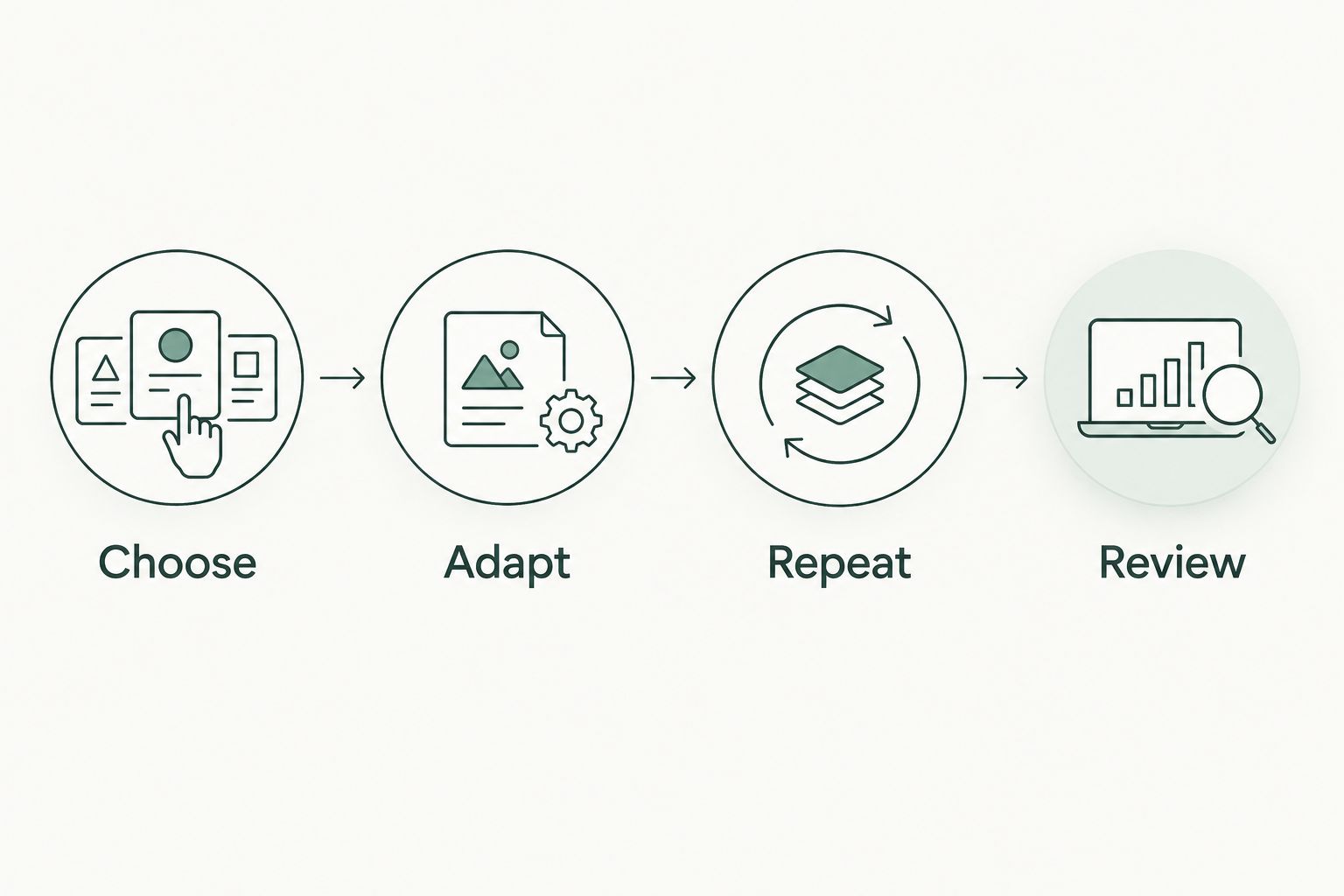
Use this short process:
- Choose: Pick the habit that addresses your current need.
- Adapt: Make the action safe and manageable.
- Repeat: Attach it to a familiar part of your routine.
- Review: Notice what works and ask for help where needed.
You do not need a perfect streak. A plan should help you return to a useful habit after interruptions, not make an interrupted week feel like failure.
FAQ
What are the best 10 tips for healthy aging?
The best starting list is regular movement, strength and balance, balanced meals, consistent sleep, preventive care, medication review, social connection, mental engagement, tobacco and alcohol risk reduction, and stress support. Your first priority depends on your health and current difficulties.
How much exercise do I need for healthy aging?
HHS recommends at least 150 minutes of moderate-intensity aerobic activity weekly and muscle-strengthening activity on 2 days weekly for adults who can meet those targets. Older adults should also include balance activity, with adaptations for health and ability.
Is walking enough to stay healthy as I get older?
Walking is a useful aerobic activity, but it does not replace every part of a healthy aging routine. Strength and balance practice, appropriate healthcare, nourishment, and rest have separate roles.
Is it too late to start healthy habits when I am older?
It is not too late to become more active or seek help with smoking, sleep, and other health concerns. Start at your current ability and ask a clinician about restrictions or symptoms that affect your plan.
Do I need supplements for healthy aging?
Not everyone needs supplements for healthy aging. A clinician can assess specific needs, and a pharmacist or clinician should review supplements alongside your medicines for possible interactions.
Can these tips prevent dementia?
These tips do not guarantee dementia prevention. Healthy routines support general health, while new memory changes that interfere with daily life need medical assessment.
Can a Pdfcanopy guide replace advice from my doctor?
A Pdfcanopy guide cannot replace individualized medical advice. Downloadable practical guidance can help you organize next steps, but symptoms, medication decisions, and treatment questions belong with qualified professionals.
One last thing
A smaller plan can be the more useful plan. For your 2026 routine, choose the action you can return to after a tiring day—not the one that looks most impressive on paper.
Before adding anything, ask what is blocking the habit you already want: pain, uncertainty, transport, exhaustion, or lack of help. Addressing that obstacle is a concrete healthy aging step.