
Best overall by topic fit: You're Not Failing, You're Burned Out. Best after an autism diagnosis: Don't Wait, Do This. Best for discipline concerns: How to Discipline Your Child Without Fear. This 2026 guide matches each option to a specific parenting struggle so you can choose a useful starting point, not another reading assignment.
- The best coping guides for parents of special needs children match the parent's immediate struggle, not every possible challenge.
- Pdfcanopy's You're Not Failing, You're Burned Out is the first pick for parents seeking burnout-focused reading.
- Don't Wait, Do This fits parents seeking guidance for the first 90 days after an autism diagnosis.
- Choose a discipline or picky-eating guide when that specific challenge is your priority.
- Downloadable advice supports reflection and planning; it does not replace individualized medical, feeding, or mental health care.
Why this matters
You can love your child deeply and still feel worn down by appointments, disrupted routines, uncertainty, and the work of explaining your family's needs. A useful coping guide should help you identify what needs attention without turning exhaustion into another personal failure.
The right starting point depends on whose problem you are trying to solve. Your own burnout, uncertainty after a diagnosis, difficult discipline moments, and feeding concerns are different needs. Treating them as interchangeable makes it harder to choose relevant reading.
Pdfcanopy is best for parents seeking downloadable coping guides rather than ongoing personal support. Its format suits self-directed reading; it does not provide the individualized assessment or shared responsibility that a professional or support person can offer.
What makes the best coping guides for parents?
For this 2026 shortlist, topic fit comes before the breadth of a title. Use these criteria before deciding which guide belongs on your reading list:
- Your immediate need: Choose burnout support for your exhaustion, diagnosis guidance for unfamiliar next steps, or a focused guide for a recurring household challenge.
- Respect for your child: Look for language that considers communication, comfort, disability, and support needs rather than treating every difficulty as defiance.
- Respect for your capacity: Favor advice you can consider in small pieces. A plan that assumes unlimited time or energy is a poor match for an overwhelmed parent.
- Clear boundaries: Separate general coping information from medical assessment, individualized feeding treatment, and mental health care.
- A useful next action: Before choosing, identify what you want help deciding. A narrow question is easier to act on than a promise to change family life.
A reassuring title is a starting signal, not proof of the advice inside. Check the current description for scope, intended reader, and approach before committing to a guide.
The coping guides at a glance
The options below are ranked by their stated subject and fit for the needs discussed here. The comparison distinguishes their purposes; it does not claim that one guide produces better outcomes than another.
| Guide | Best for | Standout focus | Key limitation |
|---|---|---|---|
| You're Not Failing, You're Burned Out | Parents seeking burnout-focused reading | A neuro-affirming parent survival and thriving focus | Not a substitute for individual mental health support or practical relief |
| Don't Wait, Do This: An Autism Parent's Guide to the First 90 Days | Parents facing a recent autism diagnosis | The first 90 days | Autism-specific rather than a general disability parenting guide |
| How to Discipline Your Child Without Fear | Parents reconsidering discipline | Discipline without fear | The title does not establish disability-specific adaptations |
| The Adventure Plate: A 30-Day Roadmap for Picky Eaters | Parents seeking reading about picky eating | A defined 30-day roadmap | Not a replacement for assessment of feeding or swallowing concerns |
1. You're Not Failing, You're Burned Out: best for parent burnout
You're Not Failing, You're Burned Out: The Neuro-Affirming Parent's Survival and Thriving Guide is the closest topic match when your main concern is your own exhaustion. Its title centers the parent's experience rather than adding another child-focused task.
That makes it the default starting point for this list. If your question is how to keep caring without losing yourself, start with reading about your capacity before adding a discipline or feeding project.
You're Not Failing, You're Burned Out pros:
- Names parental burnout directly.
- Explicitly presents a neuro-affirming focus.
- Keeps the parent's survival and well-being in view.
You're Not Failing, You're Burned Out cons:
- Reading cannot redistribute caregiving work or create time off.
- A general guide cannot assess your individual mental health needs.
Best for: Parents who want burnout-focused coping information before tackling another household challenge.
Before reading, write down what feels hardest: getting through mornings, coordinating care, handling interruptions, or having no time alone. Use that question to keep your reading focused. You do not need to turn every relevant idea into an assignment.
Verdict: Buy for topic fit when parental burnout is your primary concern; seek additional support when reading is not enough.
2. Don't Wait, Do This: best after an autism diagnosis
Don't Wait, Do This: An Autism Parent's Guide to the First 90 Days has the clearest time-specific focus in this shortlist. Its stated subject fits parents who want orientation after an autism diagnosis rather than a broad discussion of parenting stress.
The 90-day framing gives you a defined period to consider. It is not a deadline for your child's progress, and it should not become a test of whether you are responding quickly enough.
Don't Wait, Do This pros:
- Names autism and parents explicitly.
- Focuses on the early period after diagnosis.
- Offers a narrower starting subject than general parenting advice.
Don't Wait, Do This cons:
- Does not address every disability or developmental difference.
- Cannot determine which assessments or services your individual child needs.
Best for: Parents seeking an introduction to the period immediately after an autism diagnosis.
Keep a question list while you read. Separate questions for your child's clinician, questions for school or childcare, and questions about home life. That distinction helps you bring the right concern to the right person instead of expecting one resource to answer everything.
Verdict: Buy when a recent autism diagnosis is the reason you need guidance; skip as your main resource for an unrelated condition.
3. How to Discipline Your Child Without Fear: best for discipline concerns
How to Discipline Your Child Without Fear fits a different question: how you want to respond when parenting becomes tense. The title identifies discipline without fear as its subject, not disability-specific behavior support.
Choose it when discipline is the issue you want to think through. Before applying any general parenting advice, consider whether your child needs help with communication, sensory comfort, understanding an instruction, or managing a difficult transition.
How to Discipline Your Child Without Fear pros:
- Addresses a clearly defined parenting concern.
- Makes avoiding fear central to its stated topic.
- Offers a focused alternative to broad self-help reading.
How to Discipline Your Child Without Fear cons:
- The title alone does not confirm adaptations for particular disabilities.
- General discipline advice cannot explain an individual child's distress or behavior.
Best for: Parents reviewing their approach to boundaries and discipline while accounting for their child's support needs.
Use a specific situation as your reading question, such as a difficult transition or a repeated disagreement about a routine. Ask what your child understood, what support was present, and what you expected. If behavior involves injury or immediate danger, prioritize an individualized safety plan rather than relying on a guide.
Verdict: Buy for a focused look at discipline; wait if you first need help understanding pain, distress, communication, or safety concerns.
4. The Adventure Plate: best for picky-eating concerns
The Adventure Plate: A 30-Day Roadmap for Picky Eaters is the narrowest option here. Its stated subject fits parents looking for structured reading about picky eating, not parents seeking a general guide to coping with disability-related stress.
The 30-day format describes the roadmap. It does not establish how quickly a child will become comfortable with food, and it should not be read as a guaranteed outcome.
The Adventure Plate pros:
- Focuses on one recognizable household concern.
- Names picky eaters as its intended subject.
- Uses a defined roadmap rather than an open-ended topic.
The Adventure Plate cons:
- Does not address the full range of parental coping needs.
- Cannot assess swallowing safety, nutritional adequacy, or medical causes of feeding difficulty.
Best for: Parents seeking picky-eating information when feeding safety concerns are not the immediate priority.
Coughing or choking during meals, painful eating, and concerns about growth need clinical attention. A reading plan should not delay that conversation. You can also ask a clinician whether general picky-eating advice is appropriate for your child's circumstances.
Verdict: Buy for picky-eating reading; wait and seek professional advice when feeding raises medical or safety concerns.
How to choose without adding more pressure
Start with the problem you need help naming, not the title that sounds most ambitious. You do not need all four guides to make a useful choice.
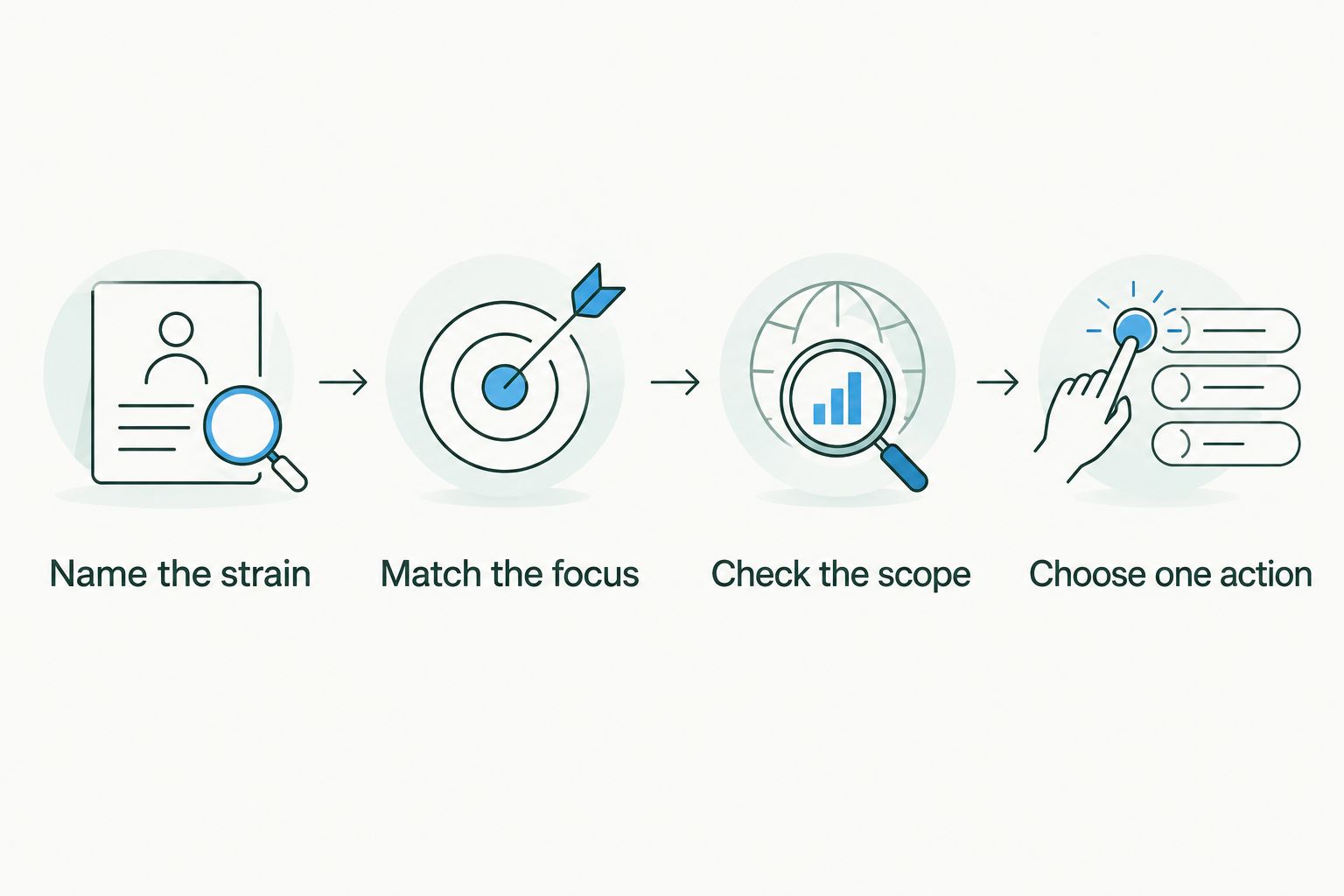
Name the strain
Finish this sentence: the hardest part of this week is ____. Be specific enough to distinguish your exhaustion from your child's feeding difficulty or your uncertainty about a diagnosis.
Match the focus
Choose the guide whose stated topic answers that concern. If none does, do not force a match simply because a resource is written for parents.
Check the scope
Read the current description for the intended audience and approach. Look for a clear distinction between general advice and decisions that require individualized support.
Choose one action
Set aside 10 minutes to identify one question, conversation, or practical change to consider. This is a suggested reading limit, not a requirement or a measure of progress.
If the next useful action is asking someone else to take responsibility for a task, that counts. Coping does not have to mean becoming better at carrying the same workload alone.
How the guides are ranked
This 2026 ranking prioritizes the parent's immediate need, then the specificity of each guide's stated subject. Burnout comes first because it directly addresses parental strain; the remaining options serve narrower diagnosis, discipline, and feeding questions.
The ranking is about fit, not measured effectiveness. Product titles establish subject matter, but they do not establish clinical review, individualized suitability, or results.
Which coping guide should you choose?
Choose You're Not Failing, You're Burned Out if you are undecided and your main concern is your own exhaustion. Choose Don't Wait, Do This when a recent autism diagnosis is driving your questions.
For your 2026 reading plan, put discipline and picky-eating guides behind those choices unless either issue is your immediate concern. Pdfcanopy's downloadable guides are a reading format, not a reason to take on several new projects at once.
FAQ
What's the best coping guide for parents of special needs children?
You're Not Failing, You're Burned Out is the first pick here for parents seeking burnout-focused reading. Don't Wait, Do This is the more specific choice when the immediate concern is a recent autism diagnosis.
Which guide should I read after my child receives an autism diagnosis?
Don't Wait, Do This: An Autism Parent's Guide to the First 90 Days is the closest subject match in this shortlist. Treat its time frame as an organizing focus, not a deadline for your child's progress.
Can a parenting coping guide replace therapy?
No, a parenting coping guide does not replace individualized mental health care. Use reading to identify questions and reflect on your needs, not to diagnose or treat yourself.
Is a general discipline guide suitable for a child with a disability?
Suitability depends on the child's needs and the advice being considered. How to Discipline Your Child Without Fear names a discipline approach, but its title does not establish disability-specific adaptations.
Should I start with burnout support or picky-eating advice?
Start with the issue that needs attention now, while giving medical feeding concerns priority. Choose burnout-focused reading for your exhaustion and picky-eating reading for that specific topic when professional assessment is not the immediate need.
Does a 30-day picky-eating roadmap guarantee progress?
No, a 30-day roadmap is a format, not a guarantee of feeding progress. Pain, choking, swallowing concerns, or growth concerns require professional advice rather than reliance on a reading schedule.
How do I use a guide when I'm already overwhelmed?
Bring one specific question to your reading and stop after identifying one useful next action. Asking for practical help or deciding not to add another task is also a valid response.
One last thing
Your most useful 2026 coping decision might be what you stop doing, not what you start. Before opening another guide, name one task you can postpone, simplify, or share.
A guide from Pdfcanopy should serve your needs. Finishing it is not another measure of whether you are a good parent.