
Best overall for an immediate pause: gentle paced breathing. Best for recovery between shifts: a protected sleep window. Best equipment-free movement option: a gentle walk. This 2026 Pdfcanopy guide compares the best stress relief techniques for shift workers by the problem you need to address, not by how much effort you can squeeze into an exhausted day.
- Gentle paced breathing is the best stress relief technique for shift workers needing an immediate pause, not a fatigue fix.
- A protected sleep window addresses recovery time; breathing exercises do not replace sleep.
- Choose gentle movement for physical restlessness and a written handoff for unfinished-task worries.
- Pdfcanopy recommends matching shift-work stress relief to your immediate need rather than building a demanding self-care routine.
Why this matters
When your workday ends at breakfast or starts while everyone else is winding down, advice built around a conventional evening routine misses the point. Your stress relief needs to fit the hours you actually have.
The useful distinction is between feeling tense, needing sleep, carrying unfinished work, and needing support. Those problems overlap, but they do not call for the same response. A breathing exercise is a reasonable pause before a difficult conversation; it is not a solution to an unsafe workload or exhausted driving.
For your 2026 routine, use this Pdfcanopy stress relief guide as a menu, not another list of tasks you must complete. Start with the problem that is making the next part of your day hardest.
What makes the best stress relief techniques for shift workers?
Use these criteria to choose your starting point in 2026:
- Fits the moment: You can use the technique during a permitted break, after a handoff, or before your main sleep period.
- Matches the problem: Physical tension, loneliness, unfinished tasks, and sleep disruption need different responses.
- Requires little setup: A useful routine should not depend on special equipment or a perfectly quiet home.
- Respects safety: Nothing should distract you from driving, patient care, machinery, or other safety-critical work.
- Has an honest limit: Personal coping does not replace adequate rest, workplace protections, or professional care.
Shift-work stress relief at a glance
| Technique | Best for | Standout feature | Key limitation |
|---|---|---|---|
| Gentle paced breathing | An immediate pause during tension | Can be practiced seated without equipment | Does not resolve fatigue or workload |
| Protected sleep window | Recovery between shifts | Makes sleep time an explicit boundary | Depends partly on schedules and home demands |
| Gentle movement | Restlessness after sitting or standing | Lets you change position and pace | Needs adapting for pain or physical exhaustion |
| Written handoff | Replaying unfinished tasks | Separates the next action from mental rehearsal | Cannot settle every emotional concern |
| Trusted check-in | Feeling alone with a difficult shift | Creates space for listening or practical help | Requires a willing person and a suitable time |
| Recovery boundary | Off-duty demands crowding out rest | Makes your limits clear before requests arrive | Does not change staffing or contractual obligations |
1. Gentle paced breathing: best for an immediate pause
Gentle paced breathing gives you something simple to attend to when you feel wound up. Sit or stand somewhere safe, let your breathing stay comfortable, and slow it without forcing a deep breath or holding your breath.
Try 60 seconds as a starting exercise, not a promised time to feel better. Keep your eyes open if that feels more comfortable, and notice the contact between your feet and the floor. Stop if you feel dizzy, short of breath, or more distressed.
Gentle paced breathing pros:
- Requires no equipment or private changing space.
- Fits a short, permitted break.
- Gives you a specific action when deciding what to do feels difficult.
Gentle paced breathing cons:
- Focusing on breathing does not feel helpful to everyone.
- Does not replace sleep, medical assessment, or a change in working conditions.
Best for: A brief pause before responding to a stressful message or moving into your next task.
Verdict: Buy into the habit for immediate tension; skip it during tasks that require your full attention.
2. Protected sleep window: best for recovery between shifts
A protected sleep window means deciding when you intend to sleep and treating that period as unavailable time. For night workers, the window can fall during daylight; the important point is that people around you understand it is sleep, not spare time.
Before your shift, tell your household when you expect to rest. Prepare a dark, quiet sleeping space where possible, and use notification settings that preserve any emergency contact arrangements you need.
Do not judge the plan by whether you fall asleep on command. The first task is protecting the opportunity to sleep, rather than filling that opportunity with errands and messages.
Protected sleep window pros:
- Makes your recovery needs visible to other people.
- Gives household planning a clear reference point.
- Separates essential responsibilities from requests that can wait.
Protected sleep window cons:
- Childcare, noise, and changing rosters complicate it.
- Persistent sleep difficulties need more than a calendar boundary.
Best for: Workers whose intended sleep period repeatedly becomes everyone else's convenient appointment time.
Verdict: Buy into protecting sleep; skip the expectation that relaxation alone fixes insufficient rest.
3. Gentle movement: best for physical restlessness
Gentle movement means changing position without turning recovery into a workout requirement. Choose an easy walk, comfortable stretches, or another familiar movement that suits your body and surroundings.
Try 5 minutes as an optional starting point. If your shift already involved demanding physical work, sitting comfortably or resting might be the better choice. You do not need to earn rest through exercise.
Keep the setting safe, especially after a night shift. Avoid isolated routes or activities that require concentration you do not have, and do not push through pain to finish a routine.
Gentle movement pros:
- Offers a change from a fixed working posture.
- Can happen indoors when outdoor access is unsuitable.
- Lets you adjust the pace or stop without completing a program.
Gentle movement cons:
- Physical exhaustion, injury, or pain can make movement the wrong choice.
- Weather, access, and personal safety limit some options.
Best for: Feeling physically restless when you still have enough energy for comfortable movement.
Verdict: Buy into comfortable movement; skip strenuous exercise as an obligation after an exhausting shift.
4. Written handoff: best for unfinished-task worries
A written handoff separates what needs action from what your mind keeps rehearsing. In a personal note, record the concern, the next appropriate action, and when you will return to it.
Keep work documentation in approved systems. A personal notebook or phone note should never contain patient details, customer information, passwords, or other confidential material.
For a home concern, the note might identify a school form and when you will complete it. For a work concern, complete the required handoff through your workplace process rather than relying on a private reminder. The point is to name the next step, not write a perfect account of the shift.
Written handoff pros:
- Turns a vague worry into an identifiable action.
- Distinguishes an urgent responsibility from something that can wait.
- Works without asking someone else to be immediately available.
Written handoff cons:
- Writing can become another round of replaying the event.
- Emotional distress is not always a task to organize.
Best for: Repeatedly checking whether you forgot something after leaving work.
Verdict: Buy into a brief action note; skip detailed replay when writing leaves you more distressed.
5. Trusted check-in: best for feeling alone after a hard shift
A trusted check-in is a conversation with someone who has agreed to listen. Start by saying whether you want listening, help with a practical problem, or company without discussing work.
An optional 10-minute call gives the conversation a clear boundary when you both have limited energy. That duration is a planning choice, not a treatment dose. Ask whether the timing works before sharing something difficult.
Protect confidentiality, including when talking with someone close to you. If the concern involves a workplace incident, use the appropriate reporting or support process rather than sharing identifying details outside work.
Trusted check-in pros:
- Makes your need for support explicit.
- Gives the other person a clear role.
- Can include practical help rather than advice alone.
Trusted check-in cons:
- Friends and family are not always available at shift-friendly hours.
- A personal conversation does not replace professional support when you need it.
Best for: Emotional isolation, especially when your schedule rarely overlaps with people you care about.
Verdict: Buy into agreed support; skip the assumption that you must explain everything to feel connected.
6. Recovery boundary: best for off-duty demands
A recovery boundary states what you can do and when you are unavailable. Make it concrete: identify your sleep period, decide when you will check nonurgent messages, and explain which requests need a different arrangement.
Check workplace expectations before changing how you respond to work communications. If you are on call, the boundary needs to reflect those obligations; if expectations are unclear, ask for clarification rather than guessing.
At home, offer a realistic alternative when you can. Agreeing to handle an errand after waking is clearer than repeatedly accepting requests during the time you intended to sleep.
Recovery boundary pros:
- Makes your availability easier to understand.
- Gives you a prepared response to repeated requests.
- Helps distinguish a genuine obligation from an assumed one.
Recovery boundary cons:
- Other people do not always respect a stated limit.
- A personal boundary cannot solve understaffing or remove required duties.
Best for: Off-duty requests that repeatedly consume the time you set aside for recovery.
Verdict: Buy into a specific boundary; skip promises that depend on unlimited energy.
How these techniques are ranked
This 2026 ranking prioritizes fit, low setup, safety, and clear limits—not a claim that one technique works best for every worker. Gentle paced breathing comes first because it is a simple immediate starting point; protected sleep takes priority when insufficient recovery is the main problem.
The Pdfcanopy comparison is a practical decision guide, not a clinical trial or a substitute for individualized advice. Choose by need rather than position in the list.
Which technique should you choose?
Start with gentle paced breathing if you need an immediate pause and are somewhere safe. If you are exhausted, protect rest instead; if unfinished work is occupying your thoughts, use a proper handoff and a brief next-action note.
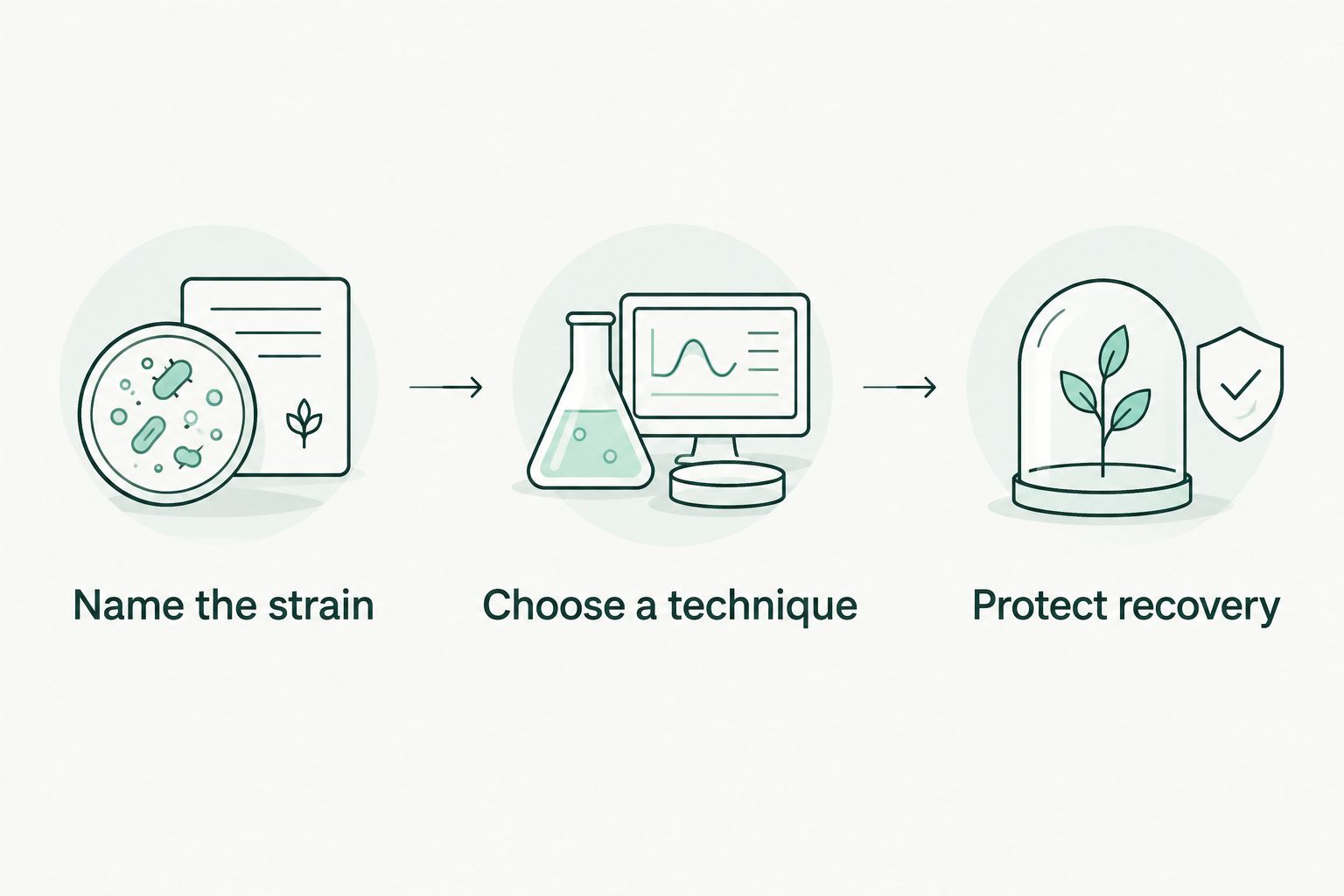
Build your 2026 plan around this sequence:
- Name the strain: Identify tension, fatigue, unfinished tasks, isolation, or competing demands.
- Choose a technique: Pick the option that addresses that problem without adding another burden.
- Protect recovery: Keep the exercise from taking over the time you need for sleep or essential care.
Keep the plan small enough to use on a difficult day. If a technique becomes another standard you feel guilty about missing, simplify it or choose a different one.
FAQ
What's the best stress relief technique during a shift?
Gentle paced breathing is a practical starting point during a safe, permitted pause. Keep breathing comfortable, and do not practice an attention-demanding exercise while driving, operating equipment, or carrying out safety-critical work.
What should I do when I'm too tired for exercise after work?
Choose rest rather than making exercise another obligation. Gentle movement is an option for restlessness, not a requirement after physically demanding work.
How do I stop thinking about work when I get home?
Complete the required work handoff and write a brief, nonconfidential next-action note if something still needs attention. If replaying difficult events persists or disrupts daily life, seek professional support rather than relying only on a checklist.
Is breathing better than sleep for shift-work stress?
No—breathing exercises do not replace sleep. Use breathing for an immediate pause and protect sleep opportunities when fatigue is the main concern.
How can I explain daytime sleep to my family?
State your intended sleep window and explain that you are unavailable during it except for agreed emergencies. Discuss childcare, noise, and household tasks before the sleep period begins.
What if stress relief techniques aren't helping?
Speak with a qualified healthcare professional if stress persists, worsens, or interferes with sleep, work, or relationships. Workplace concerns also need appropriate organizational support rather than personal coping alone.
What should I do if I'm sleepy before driving home?
Do not drive while sleepy. Arrange a safe alternative or a safe place to rest; music, open windows, and relaxation exercises are not substitutes for being alert enough to drive.
One last thing
You do not have to become better at tolerating a problem that needs to change. Before adding another exercise, ask whether the real need is a quieter sleep space, clearer work expectations, practical help at home, or professional care.
Choose one manageable action for your next shift. Leave the rest of the list alone until you need it.